




Once upon a pixelated time, gamers gathered ‘round flickering CRT screens, guiding chunky sprites across blocky landscapes with nothing but imagination and twitch reflexes. Mario didn’t need ray tracing to leap to glory, and Lara Croft’s polygonal chest became an icon despite defying all known rules of geometry. But now, here we are—2025—where digital worlds can fool the eye and blur the line between cinema and gamepad. And yet the age-old debate lingers like a save file you just can’t delete: Do graphics still matter?
When Pretty Isn’t Enough
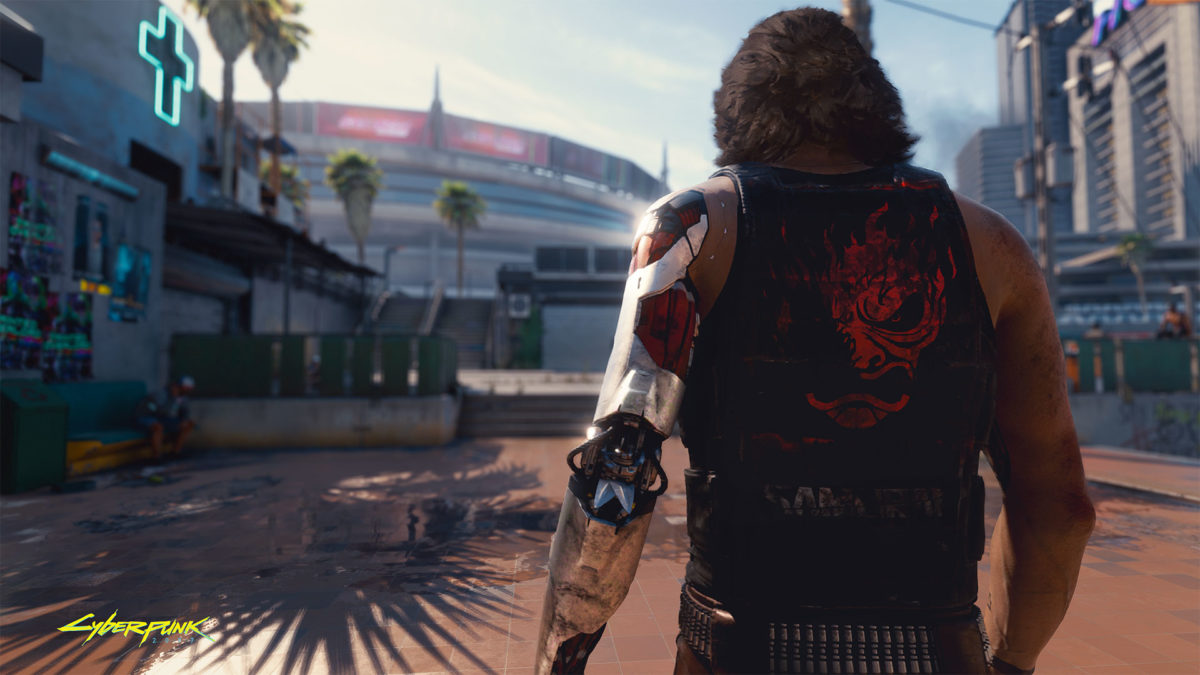
Let’s be real—modern visuals can be jaw-dropping. Step into Horizon Forbidden West, Cyberpunk 2077 (finally fixed), or Starfield, and you’re practically staring at interactive concept art. Sunsets shimmer. Sweat drips. Neon hums with synthetic life. But peel back the ultra-HD textures and the question creeps in like input lag: Is the game actually fun?
Ask a seasoned gamer and you might get a nostalgic sigh about the days when gameplay ruled. Before graphics cards cost more than rent and visual fidelity was less important than a good old-fashioned boss fight. Back then, if a game hooked you, it didn’t matter if the protagonist had three facial expressions and feet that looked like cinderblocks. You played because it was fun, because you were challenged, or because it told a story you couldn’t stop thinking about.
The Beauty Trap
In today’s market, beauty can be a trap. Studios pour fortunes into lifelike graphics, only for the game to launch with all the soul of a sterile showroom. It’s like dating someone gorgeous who has nothing to say after “hi.” Shiny but shallow.
Sure, photorealism dazzles, but gameplay is the heartbeat. Visuals are the skin—eye-catching, sure—but without strong bones underneath, it all collapses. A visually stunning game with no replay value is a blockbuster with a hollow core.
On the flip side, indie darlings with modest art—think Hades, Stardew Valley, or Among Us—don’t dazzle on a technical level. But boy, do they get under your skin. That’s because they remember what matters: mechanics, mood, and meaning.
Enter the Middle Ground: Style Over Specs
In 2025, we’re seeing a shift—call it the revenge of the art direction. Games like Hi-Fi Rush or Sea of Stars don’t chase realism but wield style like a sword. They remind us that it’s not about the number of polygons but the personality behind them.
And guess what? That’s the sweet spot. Not ultra-realism. Not 8-bit throwbacks. But worlds that feel alive because the gameplay and graphics serve each other.
Even outside traditional gaming, this philosophy echoes. Betting platforms, for instance, are getting sleeker without losing functionality. Over at 20bet Asia, for example, users praise not just the crisp visuals but how smooth and engaging the entire interface feels—form and function in perfect balance.
Gamers Are Getting Pickier
The modern gamer doesn’t just want pretty—they want precision. Aesthetics matter, but so do loading times, frame rates, and—heaven help us—actual content. We’re living in a time when trailers can be misleading movie reels. The promise of breathtaking worlds often turns out to be a glorified walking simulator.
Developers know this. That’s why more studios are doubling down on responsive controls, smart AI, rich lore, and game loops that grab hold and don’t let go. It’s no longer enough to look good on YouTube. You have to feel good in the hands.
Final Boss: The Verdict
So, do graphics still matter in 2025? Yes. But they’re no longer the golden ticket—they’re the icing, not the cake. Think of graphics like a stylish outfit. It might turn heads, but if the conversation’s dull, nobody’s sticking around.
Gameplay is the soul of the experience. Graphics, when done right, are its voice. But soul without voice is whispering in the dark. And voice without soul? That’s just noise.
The games that win our hearts now—and in the years ahead—are those that strike the balance. Where every line of code sings. Where story, sound, mechanics, and visuals aren’t competing but composing. That’s not just gaming. That’s art.
And in this brave, pixel-perfect world, we want more than just a pretty face—we want a game that plays like poetry in motion.


